By the iVoiceUp Compliance Team
Most legal escalations don't start with a serious complaint. They start with a concern that was never properly documented. Here's how the gap between raising a concern and recording it decides what happens next.
Most legal disputes involving the workplace don't begin in a courtroom.
They begin earlier. In a conversation that was never formally documented, or in a concern that was raised once, acknowledged informally, and quietly set aside.
They might begin in a moment where someone decides that what they had witnessed was serious enough to mention, but the organization wasn't structured enough to receive it properly.
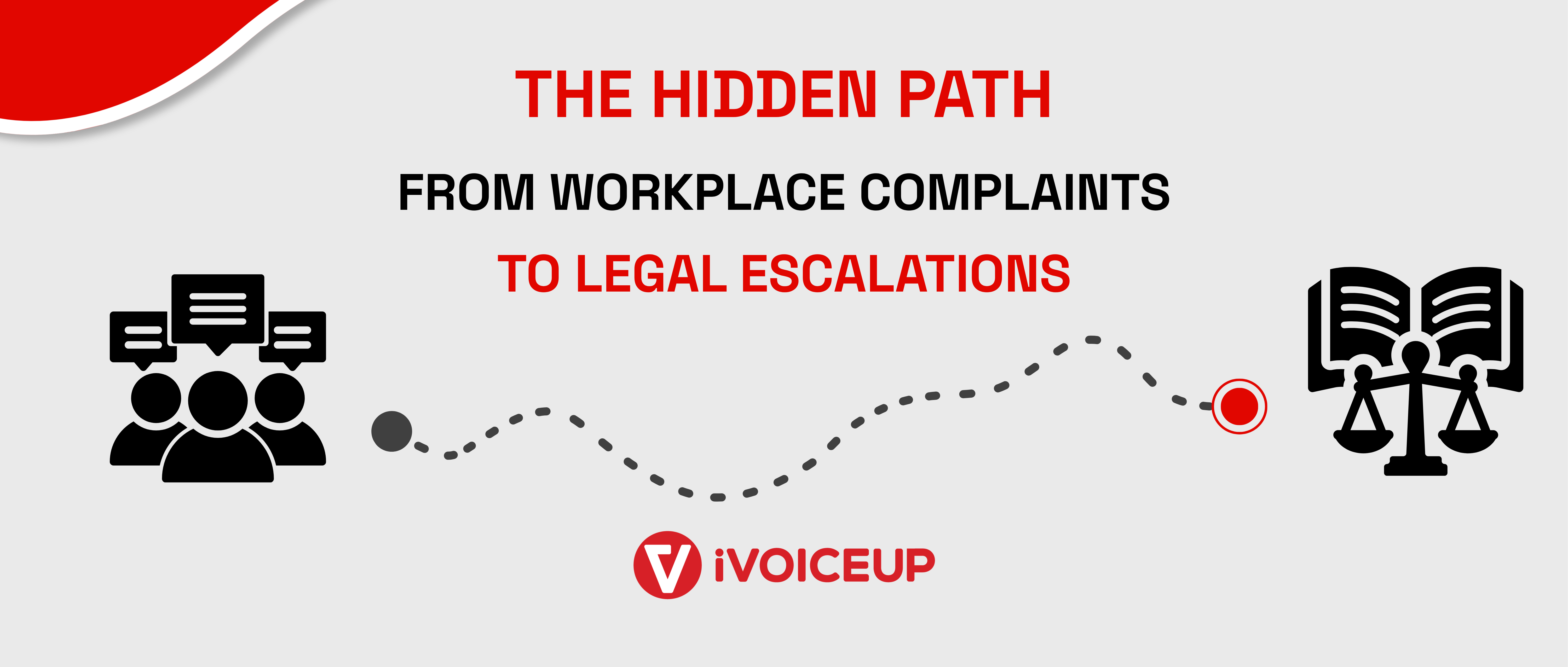
By the time lawyers are involved, the path that led there is usually long.
And in most cases, it didn't have to lead there at all.
The Complaint That Never Became a Record
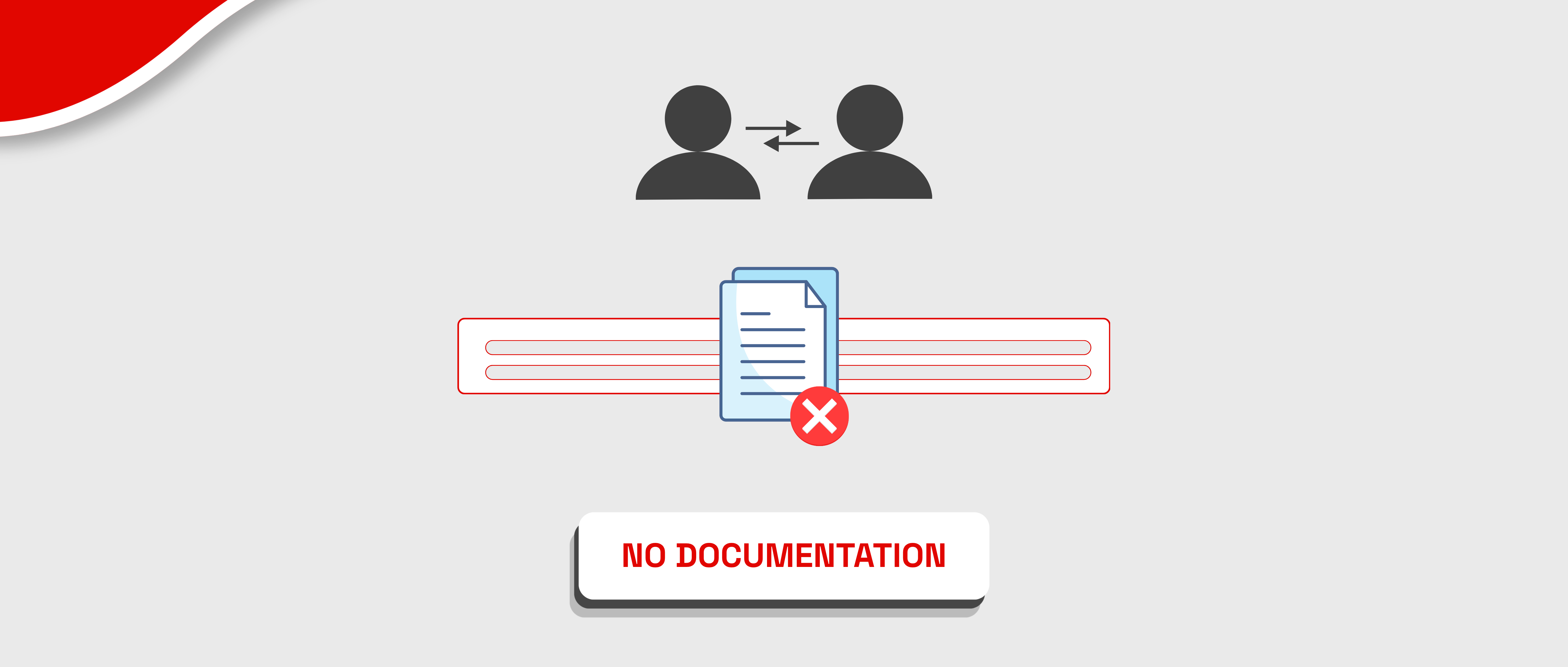
When an employee complaint is raised informally, something important fails to happen. The concern exists. It's been expressed, but it hasn't been captured.
No case number. No assigned owner. No acknowledgement that it was received at all. From the organization's perspective, it often doesn't officially exist.
And this's where the path begins. Not with malicious intent. Simply with the absence of structure, a concern absorbed into daily operations without leaving a meaningful trace.
The Moments Where the Path Diverges
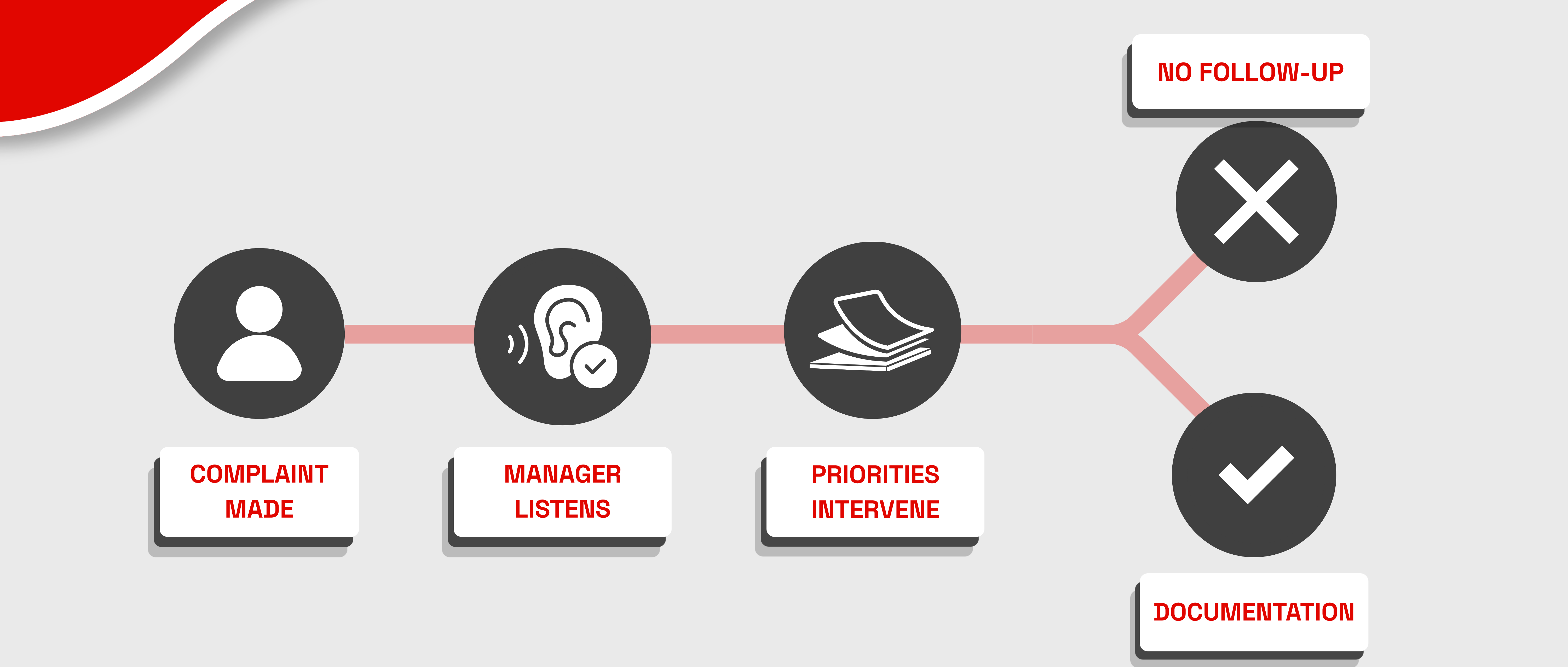
An issue is raised with a line manager. The manager listens, intends to follow up. Other priorities intervene. The follow-up doesn't happen. And trust slowly begins to erode.
The concern is raised again. Conversations happen, opinions are formed, but nothing is written down. The employee is told the matter's been looked into. No documentation exists of what was found or decided.
Time passes, and the situation doesn't change.
At each of these moments, the path could have forked differently.
A structured acknowledgement. A documented response. A follow-up that actually happened. Any one of these might have been enough.
What Escalation Actually Signals
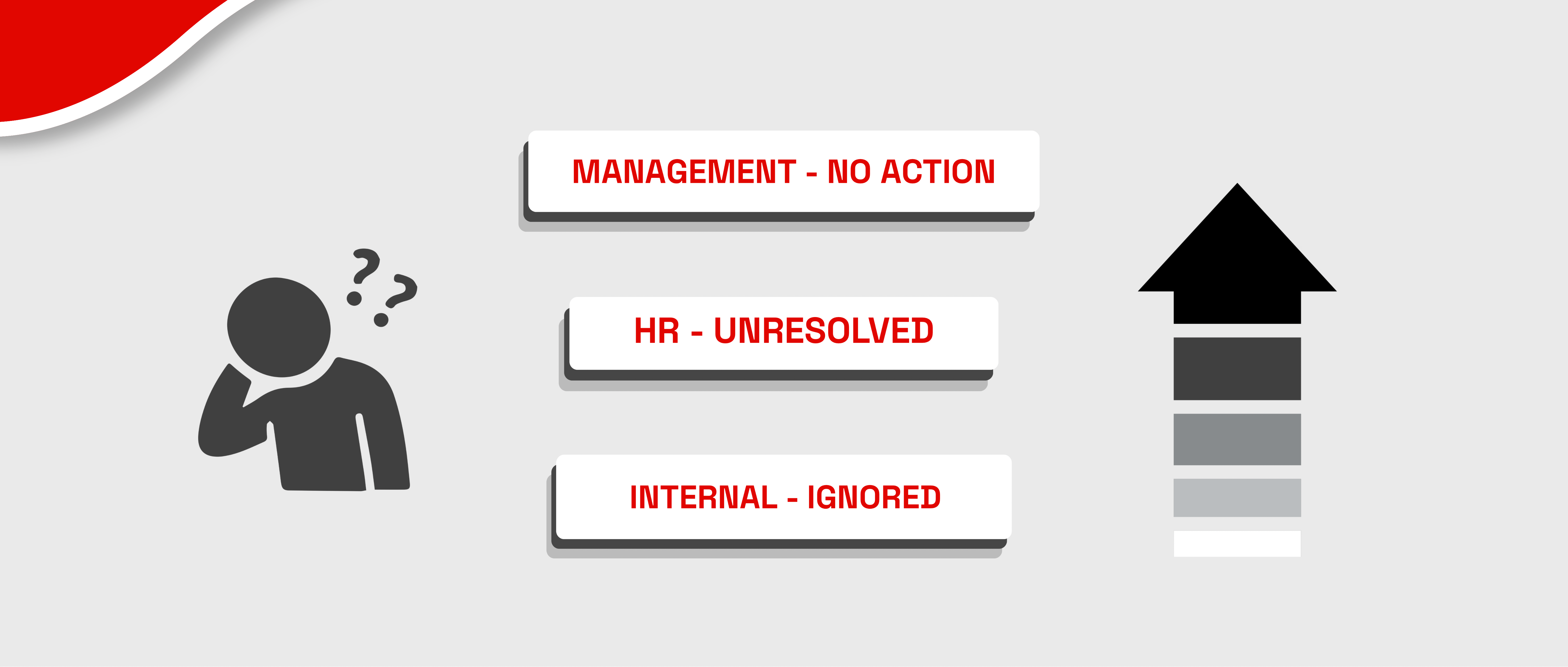
When a complaint reaches an external body, that's a legal escalation, and it rarely signals that the original concern was uniquely serious.
It usually signals that the internal process failed to provide what the employee needed to stay within it.
Confidence that their concern was genuinely received. Clarity about what would happen next. Evidence that someone was accountable for the outcome.
Without these, escalation becomes the rational choice. Not an act of aggression, but a practical response to a process that offered no visible path forward.
The Documentation Gap
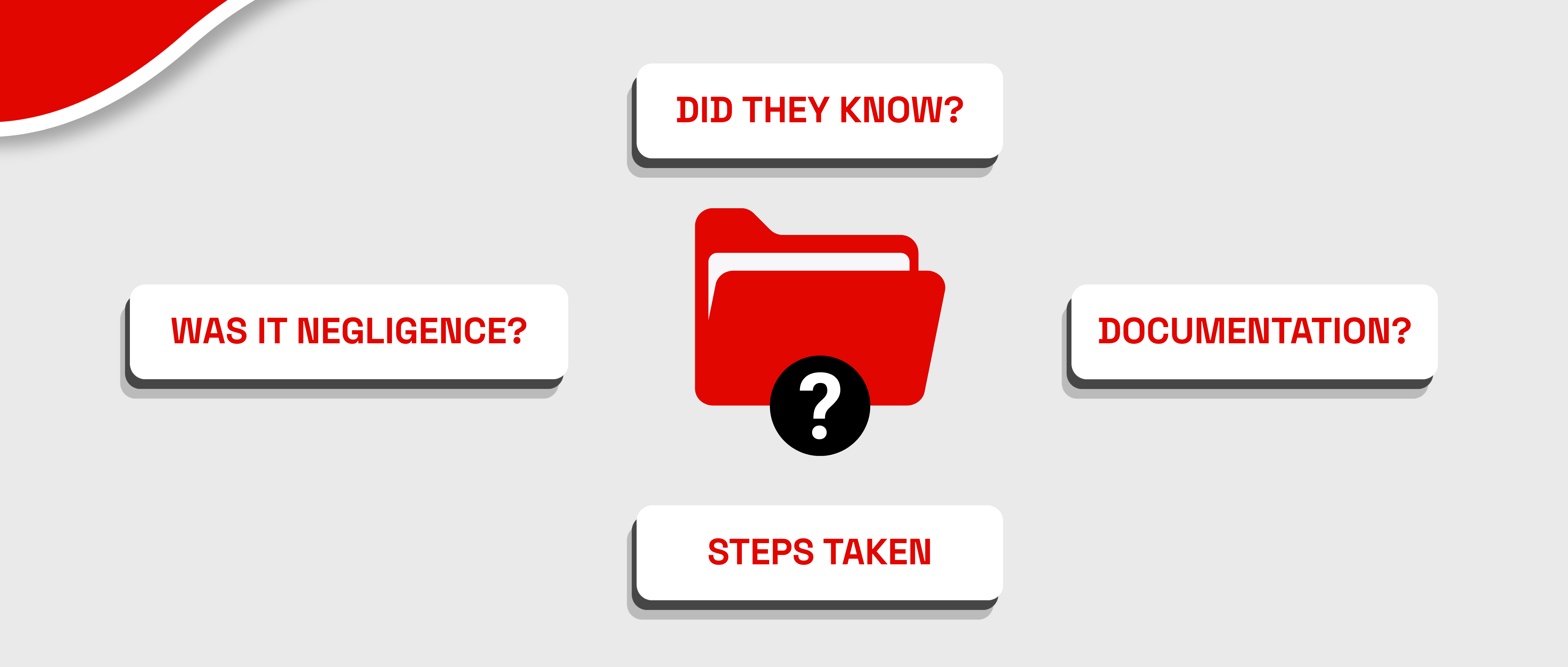
There's a question that surfaces in almost every legal proceeding involving a workplace complaint:
"What did the organization know, and when did it know it?"
The answer depends almost entirely on what was documented. Whether the concern was formally received. Whether it was assigned to someone with clear ownership. Whether the steps taken were recorded in a way that can be retrieved and reviewed.
Informal handling, however well-intentioned, leaves none of that.
And in a legal context, the inability to demonstrate that a concern was properly handled can be as damaging as the original complaint itself.
The Path Is Not Always Visible Until It Has Been Travelled
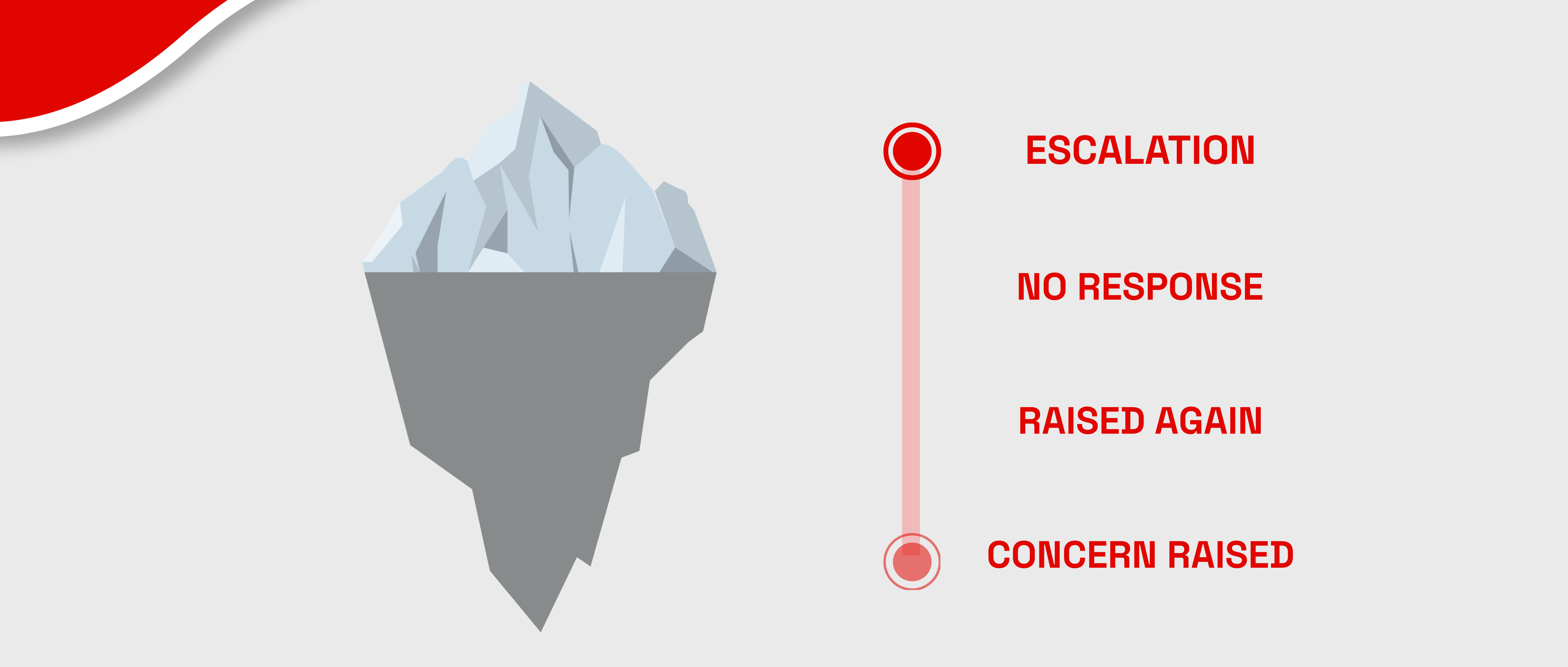
The decision to escalate accumulates gradually.
In each unanswered follow-up. In each vague response. In each moment where the internal process communicated, however unintentionally, that the concern wasn't a priority.
By the time the organization realizes something serious is developing, the employee has often already exhausted every internal option available to them.
The most effective intervention isn't a better legal response.
It's a better complaint handling process , one that gives employees a reason to stay within it.
iVoiceUp
What often defines how a concern evolves is not the moment it is raised, but the clarity of the path it follows afterwards.
iVoiceUp creates the documentation layer most organizations discover they need only after it's too late to build it. Every report received, every case opened, every communication sent, structured, recorded, and accessible when it matters most.
Not because organizations should assume the worst.
But because the ones that are prepared rarely have to face it.
See how iVoiceUp turns every concern into a record from the first report. Talk to our team .