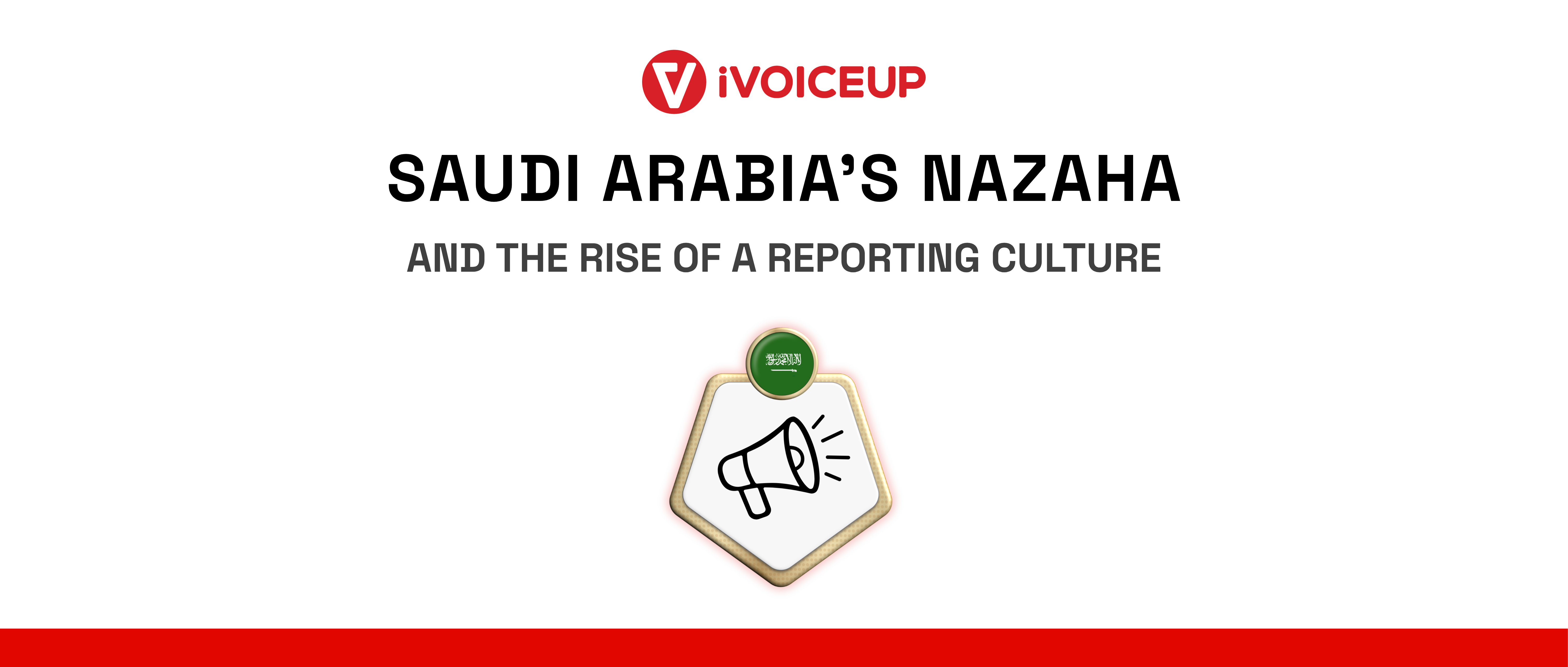
Saudi Arabia's approach to corruption has shifted from enforcement alone to something more foundational: building a culture where reporting wrongdoing is expected, protected, and acted on. At the center of that shift is Nazaha, Saudi Arabia's national anti corruption authority, and the growing body of law and institutional cooperation built around it.
For businesses operating in Saudi Arabia, understanding what Nazaha does, and what its growth signals, is useful context for thinking about internal compliance and reporting infrastructure.
What Is Nazaha?
Nazaha, formally the Oversight and Anti Corruption Authority, is Saudi Arabia's national body responsible for combating financial and administrative corruption. Its jurisdiction covers public authorities and companies in which the state owns at least 25 percent of capital. Individuals can report suspected corruption confidentially through Nazaha's toll free line, email, or electronic portal, and the authority is mandated to protect the identity of whistleblowers and act against retaliation.
The principle behind Nazaha's mandate is straightforward: organizations that make it safe to report stay accountable and protected.
A Growing Volume of Reports
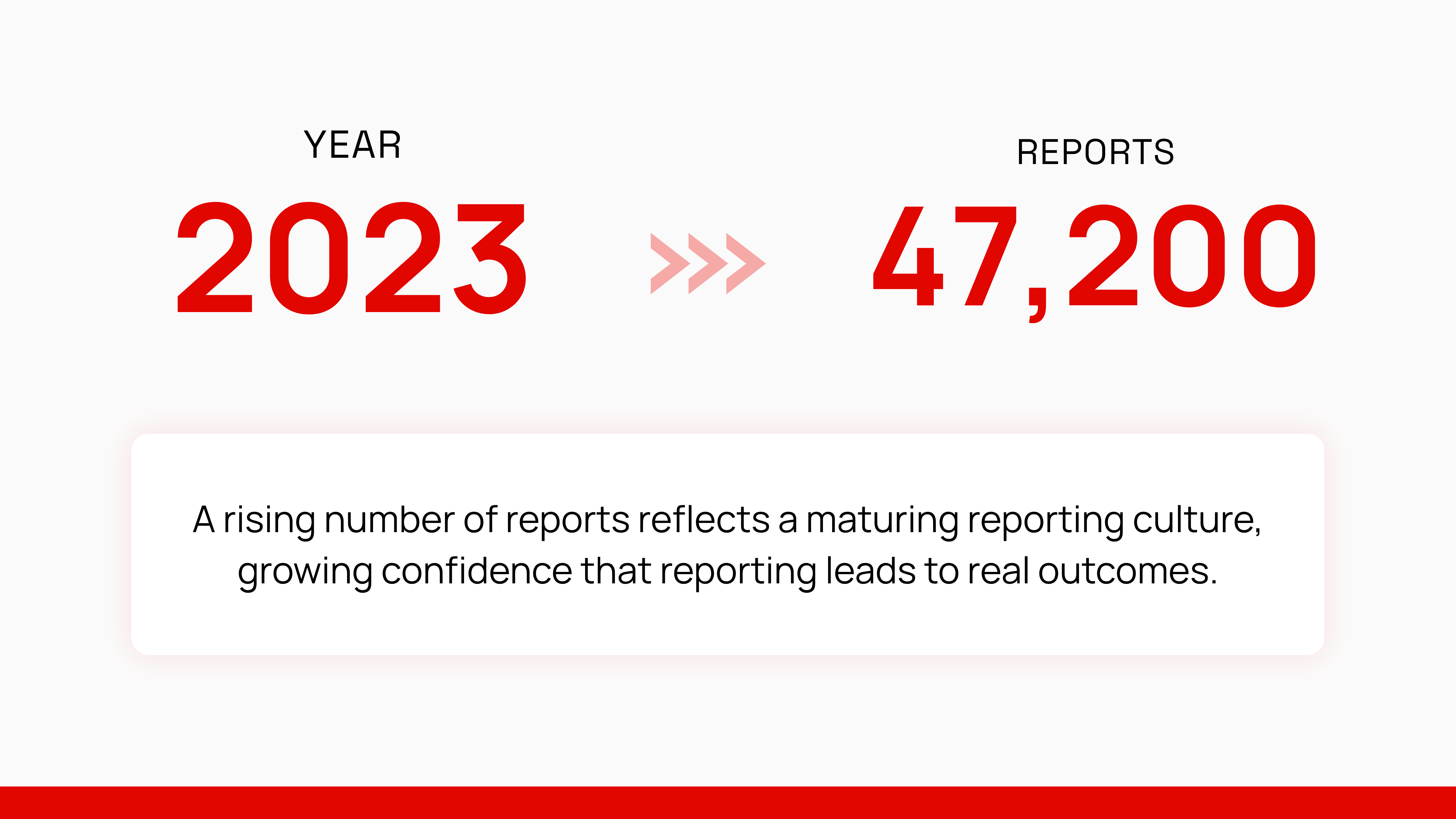
According to Nazaha's own 2023 statistical report, the authority received 47,200 reports that year, both within and outside its jurisdiction, with about 18,900 falling under its direct jurisdiction. Reports have been on a documented upward trend since 2019, with a steady increase across major regions including Riyadh, Mecca, and the Eastern Province.
This growth is worth interpreting carefully. A rising number of reports does not indicate rising misconduct. It reflects a maturing reporting culture, growing confidence that reporting leads to real outcomes. When people believe a report will be taken seriously, and that they will be protected for making it, they are more willing to come forward. Nazaha's own public messaging has consistently reinforced this: the authority stresses that no whistleblower will be harmed as a result of their report.
Strengthening the Legal Foundation
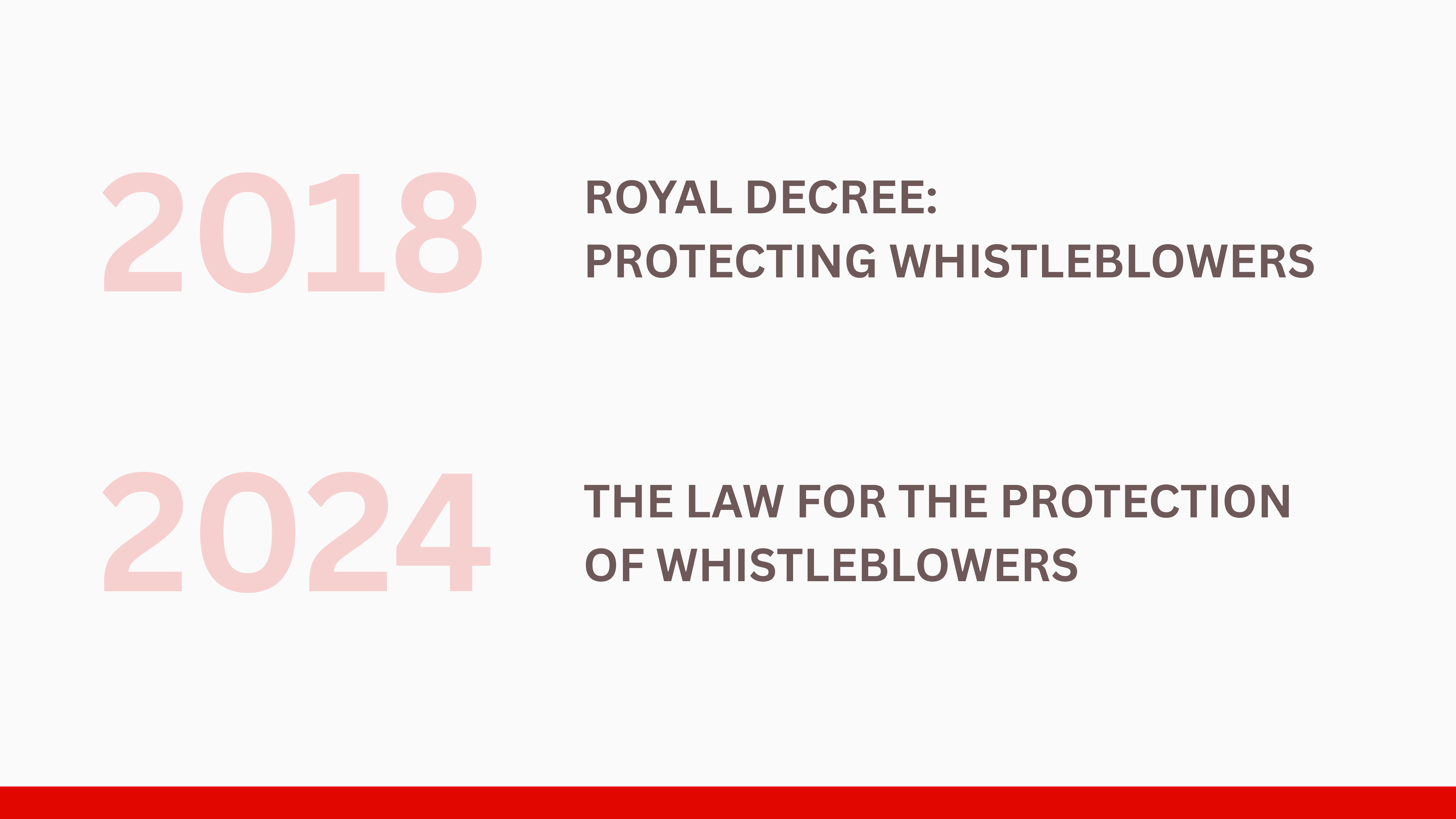
Saudi Arabia has built legal protections for whistleblowers incrementally. A 2018 royal decree mandated protection for whistleblowers from disciplinary measures and other repercussions. In February 2024, the Council of Ministers approved the Law for the Protection of Whistleblowers, Witnesses, Experts, and Victims, raising the bar for what protected reporting means across the Kingdom.
Each step reinforces the same message to individuals and institutions alike: reporting wrongdoing is not a liability. Failing to have a mechanism for it is.
Extending Oversight Into the Financial Sector
Nazaha's role is not limited to acting alone. In November 2024, the Saudi Central Bank (SAMA) and Nazaha signed a memorandum of cooperation to strengthen coordination on corruption crimes involving financial institutions under SAMA's supervision. The agreement was signed by senior officials from both institutions, formalizing how the two authorities work together within their respective jurisdictions.
This kind of cross institutional cooperation signals something important for businesses in regulated sectors: compliance expectations are not isolated to a single regulator. Financial institutions in Saudi Arabia now operate under overlapping oversight, where SAMA's supervisory authority and Nazaha's anti corruption mandate intersect.
What This Means Beyond the Public Sector
Nazaha's jurisdiction is national and public sector focused. It is not a private sector whistleblowing tool, and it does not replace the internal reporting mechanisms a company needs for its own employees and operations. But the direction of Saudi Arabia's regulatory environment carries a clear implication for private organizations too.
As national infrastructure for protected reporting matures, employee expectations shift with it. People who report corruption to a government authority and see it handled seriously come to expect the same standard from their own employer.
A company without a reliable internal channel is not exempt from this shift. It is simply pushing every concern straight to external authorities, with no opportunity to catch and address issues internally first.
Employees who do not trust internal channels do not stay silent. They escalate externally, or they leave. A safe, well run internal reporting channel preserves both trust and talent, while giving an organization the chance to resolve issues before they become public or regulatory matters.
Where Internal Reporting Fits
Nazaha protects the principle of safe reporting at a national level, for public sector corruption. iVoiceUp applies the same principle inside an organization. It is not a replacement for Nazaha, or for any regulator. It is the internal channel that exists alongside them, giving employees a confidential, trusted way to raise concerns before they need to go anywhere else.
As Saudi Arabia's compliance landscape continues to mature, having that internal channel in place is no longer optional. It is part of what it means to operate responsibly in the Kingdom today.